ikbalhossen
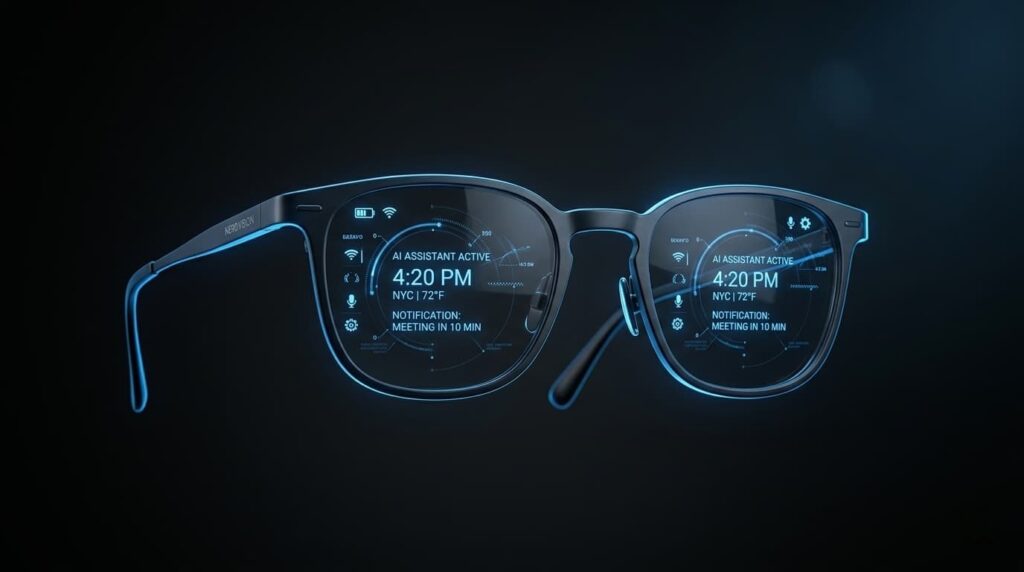
Smart glasses have had a rough reputation for over a decade — expensive, awkward-looking, and offering features nobody really needed. But something has genuinely shifted in 2026. With real AI assistants now built directly into everyday eyewear, smart glasses are finally starting to feel less like a gimmick and more like a legitimately useful piece of technology. Here’s what’s actually changed, and whether it’s worth your money.
The Old Problem With Smart Glasses
For years, smart glasses suffered from a fundamental mismatch: the hardware promised a hands-free, AI-powered future, but the software running on them was clunky, limited, and often felt like an afterthought bolted onto a pair of glasses. Battery life was poor, voice assistants misunderstood basic commands, and most people who bought early smart glasses stopped using them regularly within weeks.
The core issue wasn’t really the glasses themselves — it was that the AI powering them simply wasn’t good enough yet to justify wearing a computer on your face.
What’s Different Now
That equation has changed considerably in 2026, largely because the AI models now available on-device or through fast cloud connections are dramatically more capable than what powered smart glasses just a couple of years ago. Several major eyewear makers have integrated modern large language model assistants directly into their products, and the difference in usability is significant.
One notable example: eyewear maker Innovative Eyewear rolled out AI integration across its entire Lucyd smart eyewear lineup, giving users free access through the companion app. What stands out about this kind of integration is the flexibility — users can choose between different AI models and switch between them mid-conversation without losing context, rather than being locked into a single, potentially underwhelming assistant.
What These Glasses Can Actually Do Now
Modern AI-powered smart glasses in 2026 typically offer a feature set that would have felt like science fiction just a few years ago:
Image and document analysis — Point your glasses at a document, sign, menu, or object, and the AI can read, analyze, and explain what you’re looking at in real time.
AI image generation — Some models let you generate images directly through voice commands, useful for quick creative brainstorming on the go.
Incognito mode — A privacy-conscious option that lets users interact with the AI assistant without the conversation being logged or stored, addressing one of the biggest consumer concerns about always-on AI devices.
Cited web sources — Rather than just generating an answer from memory, some AI glasses can pull and cite real web sources, making the information more trustworthy and verifiable.
Model switching — The ability to choose which AI assistant powers your glasses, rather than being stuck with a single company’s technology, is a meaningful shift toward giving consumers more control.
Who Actually Benefits From This?
AI smart glasses aren’t for everyone, but a few groups of people are likely to get genuine value from them right now.
People who are frequently on the move and need hands-free information — delivery workers, tour guides, field technicians, and anyone who regularly needs quick information without pulling out a phone.
Travelers — the ability to point your glasses at a foreign menu, sign, or document and get an instant translation or explanation is a genuinely practical use case that phone apps handle more awkwardly.
People with visual or reading difficulties — real-time document reading and object identification can be a meaningful accessibility tool, not just a novelty feature.
Tech enthusiasts who want a preview of where wearable AI is heading — even if the daily practical value is still developing, early adopters get a genuine glimpse of a technology category still finding its footing.
Who Should Probably Wait
If you’re someone who primarily wants a good pair of glasses and views any smart features as a “nice to have” rather than a core need, it’s still reasonable to wait. Battery life on AI-powered smart glasses remains a real limitation compared to regular eyewear — you’re now carrying a small computer on your face, and that comes with charging requirements regular glasses simply don’t have.
Price is also still a meaningful factor. While some brands are now offering AI features for free through companion apps, the hardware itself typically costs significantly more than standard prescription glasses or sunglasses, and that premium may not be justified unless you have a specific, recurring use case in mind.
The Privacy Question Worth Taking Seriously
Any device that combines a camera, microphone, and AI processing worn on your face deserves a closer look at its privacy practices than a typical gadget. Before buying AI smart glasses, it’s worth checking:
What data the glasses collect, and whether conversations or images are stored by default
Whether an “incognito” or privacy mode is available, and how it actually works
Who has access to captured images or conversations — just you, or also the company that made the glasses
Whether there are clear physical or visual indicators (like a light) that show when the camera or microphone is actively recording, both for your own awareness and for the people around you
Given the emerging regulatory push toward AI transparency worldwide, expect this area to get more scrutiny — and hopefully clearer standards — over the coming year.
How to Choose If You’re Considering One
If you’ve decided AI smart glasses might genuinely fit your lifestyle, here’s a practical framework for evaluating options:
Check AI model flexibility — Can you choose or switch between different AI assistants, or are you locked into one?
Verify battery life claims against real usage — Manufacturer claims often reflect best-case scenarios; look for independent reviews testing realistic daily use
Confirm prescription lens compatibility — Not all smart glasses easily accommodate prescription lenses, which matters if you already wear glasses
Test the physical comfort in person if possible — These devices are heavier and bulkier than standard glasses, and comfort varies significantly by face shape
Review the privacy policy specifically for the AI features — Don’t just check the general privacy policy; look specifically at what’s disclosed about the AI assistant’s data handling
Final Verdict
AI smart glasses in 2026 have crossed an important threshold: the AI powering them is finally good enough to make the hands-free, always-available assistant concept feel genuinely useful rather than gimmicky. That said, they’re still a category best suited to people with specific, recurring use cases — travelers, field workers, accessibility needs — rather than a must-have gadget for the average consumer.
If you do decide to try them, prioritize models that give you flexibility in choosing your AI assistant, offer genuine privacy controls, and have battery life that matches your actual daily routine, not just the marketing claims. The technology has clearly turned a corner — but as with most wearable tech, the right choice still depends heavily on how it fits into your specific day-to-day life.
This article is based on publicly available product information and industry reports as of August 2026. Specific features and pricing vary by manufacturer and model; readers are encouraged to check current specifications directly with retailers before purchasing.